
Esskultur - 9 Rules for Dining with Germans

User Rating: 5 / 5

Star ActiveStar ActiveStar ActiveStar ActiveStar Active

Esskultur 9 Rules for Dining with GermansEsskultur is important in Germany; Esskultur is the culture of food, dining, and manners. For most Germans, Esskultur begins when they are in high chairs and their parents teach them to eat when the adults are eating, to wait until the adults are finished to be excused from the table, how to use a napkin, and how to use their eating utensils.

In the US, manners vary widely and the manners you learn depends largely on what your family has taught you. We don't have one set of manners, and you can tell by the variety of food we eat; barbecue is largely eaten with the hands, pasta with a fork or perhaps a fork twirling the pasta with the help of a spoon. When alcohol enters the picture, it's a whole other ball game.

So here are some rules to live by to help you understand how Germans dine and to help you avoid some pitfalls along the way. For these rules, we'll assume that you have been invited to a friend's house or out to a business dinner.


1. Plan to Stay.

This American idea of party-hopping or "just staying for a little while" is incredibly tacky and rude. Germans do not do this. Either you accept the invitation and plan to stay for the evening, as delightful or as painful as it might be, or you politely decline.


2. Greet everyone with a handshake.

Yes, EVERYONE. Go around the room, shake hands, introduce yourself by your last name if it's a formal situation, by first name if it's informal, or somewhere in between for a mixed situation. People will fire their names at you and expect you to remember them.

Here's another great point:  in the US, if you feel uncomfortable about trying to remember several names right off the bat, we make the joke "if there will be a pop quiz later," and everyone understands that they should remind you of their names when you speak again. This is a wonderful part of American culture in which we help each other out with remembering names. This is not so in Germany; they do not understand this joke. So keep that joke for this side of the ocean and if you need to, politely ask someone their name again as soon as you realize that you didn't learn it the first time.
 

Continue Reading

PrintEmail

Visit the German Settlement Cemetery in Hudson, Wisconsin

User Rating: 5 / 5

Star ActiveStar ActiveStar ActiveStar ActiveStar Active

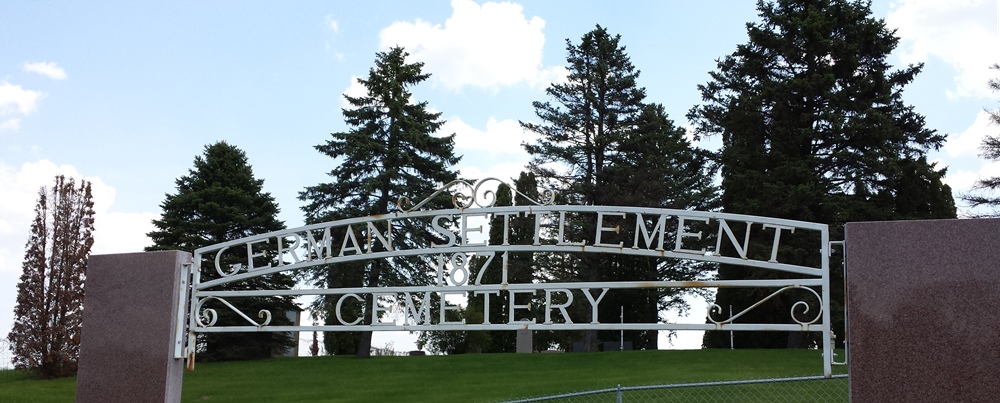
Last week you learned about the German Settlement in St. Croix County and the bake house/smoke house that is still used for bread baking demonstrations. Not far from there is the German Settlement Cemetery. Be sure to visit it when you head out for the bread bake. It's set beautifully and is a peaceful reminder of where so many of us have come from (another place) and connects you with another time.

GermanCemetery1

As the sign implores, it's a place to "Reverently read the old gravestone names of those pioneers who forged a better life for their families in America, then give thanks." The tall, old trees and the hilltop location create a peaceful place for reflection and contemplation. The cemetery is, as any German cemetery is, well taken care of.

Continue Reading

PrintEmail

7 Things to Know When You Visit Germany

User Rating: 0 / 5

Star InactiveStar InactiveStar InactiveStar InactiveStar Inactive

7 Things to Know When You Visit GermanyGermany is really what I consider to be my second home and there is a special place for it in my heart; there are so many reasons to visit Germany and here are 7 things for you to know when visit Germany and enjoy much of it, no matter what your level of German.

1. Country Size & Travel Basics:

Germany is about the size of the states of Minnesota and Wisconsin together and they have a population of 80 million people—we have about 300 million on a huge plot of land, so obviously Germany is much more densely populated. Germany is actually a bit diverse, although that varies from region to region.


HamburgMost Germans, in particular in big cities like Hamburg, Bremen, Stuttgart, Munich, and Berlin speak some amount of English. And as the Germans say themselves, you can do a lot by gesturing "with your hands and your feet." You shouldn’t have too many problems.

You could contact the Office of Tourism in places you would like to visit and have them send you some maps and other information before you go. There are lots of opportunities to have city tours in English, too. If you want to get some basics down before you go, take 10 or 12 lessons to get some basics down, if not a whole year’s worth of classes. It will enrich your life and bring you more authentic experiences on your trip!

Continue Reading

PrintEmail

Karneval / Fasching / Fastnacht

User Rating: 0 / 5

Star InactiveStar InactiveStar InactiveStar InactiveStar Inactive

Karneval is known as "die fünfte Jahreszeit" --the 5th season. It's known as Karneval, Fastnacht, or Fasching in many places in southern Germany.Heidi Klum & Seal at a Rosenmontag parade.

Karneval is a big deal, as witnessed by this picture of Heidi Klum and Seal as they attended Karneval several years ago:

Their costumes are pretty fantastic, one of Heidi Klum's favorite things, and their costumes are no exception at the parade on Rosenmontag. But let's back up a few days and a few months to give you the best idea of Karneval.

Continue Reading

PrintEmail

Persian Ware Presentation on 2/12 in Richfield, Minnesota

User Rating: 5 / 5

Star ActiveStar ActiveStar ActiveStar ActiveStar Active

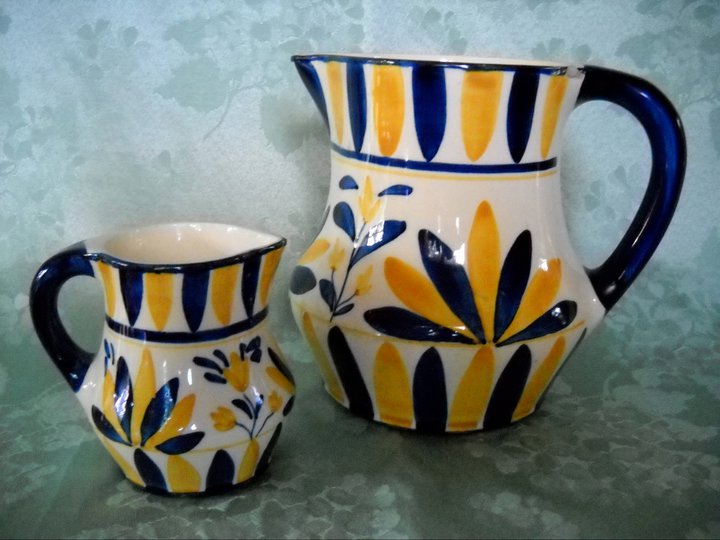
Persian Ware, Made in Germany

Black and Gold Autumn Pitcher SetBetween 1820 and World War I, nearly six million Germans immigrated to the United States. From 1840 to 1880, they were the largest group of immigrants. Though we had had immigrants from the German states as early as the 1670s, none of the groups were as massive as what was seen in the nineteenth century.

Though Germans were mostly eager to fit into American life, learning English as soon as possible, there was still a preference for German customs, foods, and household goods that reminded them of their homeland.

Continue Reading

PrintEmail

In Germany You Can Name Your Kid "Jacqueline" or "Schaklyn." Yes, really.

User Rating: 0 / 5

Star InactiveStar InactiveStar InactiveStar InactiveStar Inactive

It's no secret that Germans have a lot of rules. One "rule" that has become more flexible in the last few years is what you can name your child and how you spell her or his name. Now you can even bypass the commonly-accepted French spelling of the name "Jacqueline" and go right for the German phonetic spelling of "Schaklyn."

Yes, really.

Here is an article about the process of naming your child in Germany and for all you German learners out there, here are a few ways to read this article and expand upon your reading skills based on your level. N.B. I recommend you print the article out and grab a pencil no matter what your level is.

Beginners:

Read the article and look for all the different names that are presented. Circle them. Then

Continue Reading

PrintEmail

Dinner for One oder: der 90. Geburtstag

User Rating: 0 / 5

Star InactiveStar InactiveStar InactiveStar InactiveStar Inactive

Every New Year's Eve (auf Deutsch:  Sylvester) there is a particular television tradition in Germany:  Dinner for One oder: der 90. Geburtstag.

This is about as traditional as the Dick Clark New Year's Eve Special from Times Square, except it comes on television on multiple different stations all evening long. So don't worry if you miss the first showing at 10:55 am, because it will be running constantly from 5:30 to 8 pm.

Dinner for One is well-known for its catch-phrase "The same procedure as every year!"

Continue Reading

PrintEmail